|
| vlnr Pollaiuolo, Botticelli, pastiche (maker onbekend) |
Posts tonen met het label filmtheater 't hoogt. Alle posts tonen
Posts tonen met het label filmtheater 't hoogt. Alle posts tonen
woensdag 29 augustus 2012
vervolg van copyright-blogposts te zien op rood|noot-website
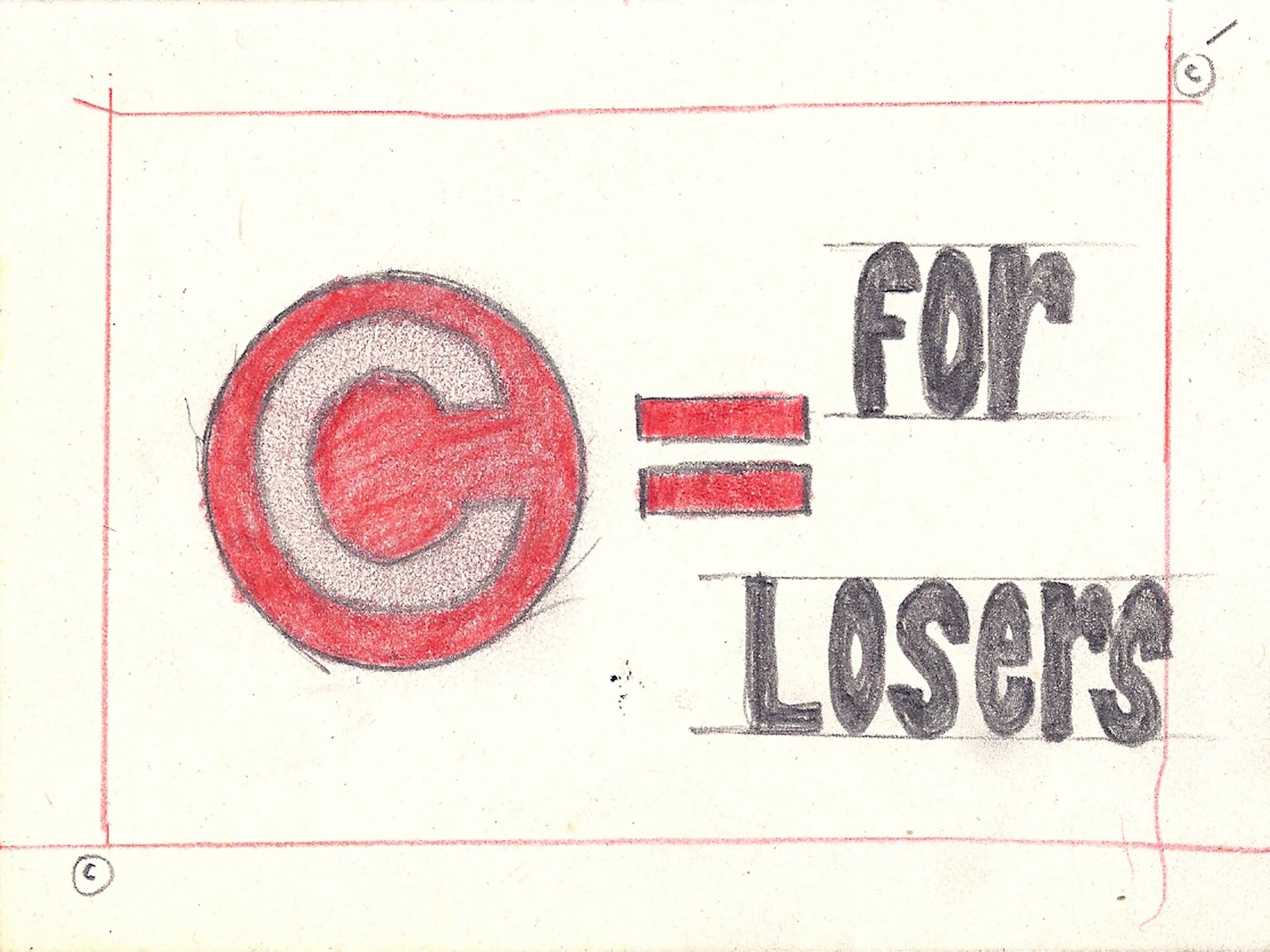
Alle nieuwe 'blogposts' die in het kader van COPYRIGHT IS FOR LOSERS worden aangemaakt, zijn vanaf vandaag (woensdag 29 augustus 2012) te zien op het blog van de Rood|Noot-site

donderdag 23 augustus 2012
christopher draeger - schizo (redux)
Gus Van Sant's Remake of Psycho (1997, color) of Alfred Hitchcocks’ Psycho (1960, black and white) is the most elaborate and precise remake in cinematic history: a conceptual art piece from Hollywood.
In this film Draeger layers Gus Van Sant’s "Psycho" remake and Alfred Hitchcock’s original version completely over one another.
Draeger about this work: The film superimposes one film over the other digitally, thus creating a double vision: the "Psychos" become "Schizo". It looks like one of those 3-D movies only that there are no glasses to reconstruct the image — it remains schizophrenic.
dinsdag 21 augustus 2012
zaterdag 14 juli 2012
wat is plagiaat
According to the Merriam-Webster Online Dictionary, to "plagiarize" means
to steal and pass off (the ideas or words of another) as one's own
to use (another's production) without crediting the source
to commit literary theft
to present as new and original an idea or product derived from an existing source.
In other words, plagiarism is an act of fraud. It involves both stealing someone else's work and lying about it afterward.
But can words and ideas really be stolen?
According to U.S. law, the answer is yes. The expression of original ideas is considered intellectual property, and is protected by copyright laws, just like original inventions. Almost all forms of expression fall under copyright protection as long as they are recorded in some way (such as a book or a computer file).
All of the following are considered plagiarism:
turning in someone else's work as your own
copying words or ideas from someone else without giving credit
failing to put a quotation in quotation marks
giving incorrect information about the source of a quotation
changing words but copying the sentence structure of a source without giving credit copying so many words or ideas from a source that it makes up the majority of your work, whether you give credit or not.
bron
to steal and pass off (the ideas or words of another) as one's own
to use (another's production) without crediting the source
to commit literary theft
to present as new and original an idea or product derived from an existing source.
In other words, plagiarism is an act of fraud. It involves both stealing someone else's work and lying about it afterward.
But can words and ideas really be stolen?
According to U.S. law, the answer is yes. The expression of original ideas is considered intellectual property, and is protected by copyright laws, just like original inventions. Almost all forms of expression fall under copyright protection as long as they are recorded in some way (such as a book or a computer file).
All of the following are considered plagiarism:
turning in someone else's work as your own
copying words or ideas from someone else without giving credit
failing to put a quotation in quotation marks
giving incorrect information about the source of a quotation
changing words but copying the sentence structure of a source without giving credit copying so many words or ideas from a source that it makes up the majority of your work, whether you give credit or not.
bron
woensdag 11 juli 2012
maandag 25 juni 2012
de mal 1956
 |
| De Mal 1956, een hardplastic buitenstoel, heeft regenwatergaten op de plek waar de Lounge Chair van Ray en Charles Eames knopen heeft in de gecapitoneerde kussens. Een designklassieker is als Goethe's Faust: hij staat open voor nieuwe interpretaties. Met die stelling verdedigde Rolf Fehlbaum, directeur van het Zwitserse Vitra, vijf jaar geleden in de NRC een nieuwe versie van dé designklassieker bij uitstek, de Lounge Chair van Charles en Ray Eames. |
bron: NRC 23/24 juni 2012
zie ook www.mal-furniture.com

zaterdag 28 januari 2012

zondag 13 november 2011
zaterdag 12 november 2011
woensdag 18 mei 2011
dinsdag 17 mei 2011


maandag 16 mei 2011
zondag 8 mei 2011


zaterdag 7 mei 2011
Abonneren op:
Posts (Atom)